Your cart is currently empty!
Blog
-
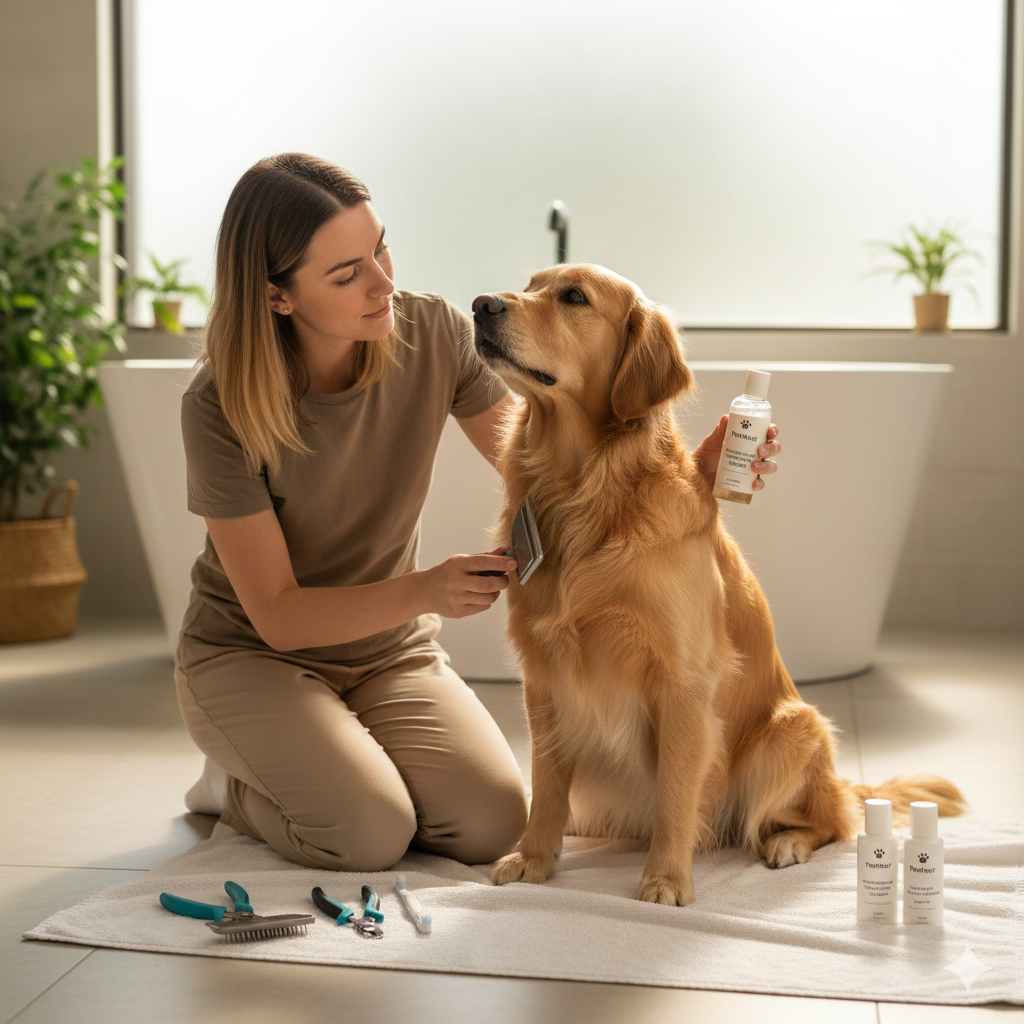
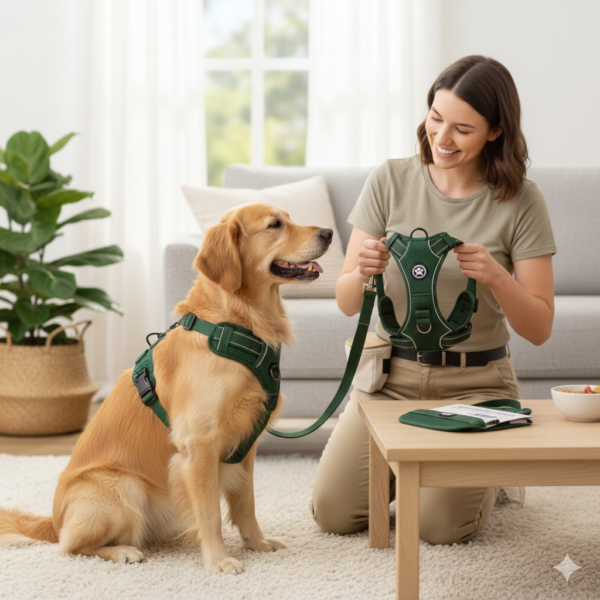
How to Keep Your Dog’s Coat Healthy: Grooming Basics Every Owner Should Know
A healthy coat is a visible sign of your dog’s overall wellbeing. Regular grooming not only keeps your dog looking great but also helps prevent skin issues, matting, odors, and unnecessary discomfort. Whether you have a long-haired breed or a short-coated companion, these grooming fundamentals apply to every dog.
/prod
Why Regular Grooming Matters
Grooming is more than brushing and bathing — it supports your dog’s:
- Skin health
- Comfort
- Shedding control
- Hygiene
- Early detection of lumps, parasites, or skin irritation
Consistent grooming also strengthens the bond between you and your dog.
Step 1: Brush According to Coat Type
Different coats need different levels of attention:
Short Coats
Brush once or twice per week with a rubber curry or soft-bristle brush to remove loose hair and stimulate natural oils.
Medium to Long Coats
Brush daily or every other day using a slicker brush or pin brush to prevent tangles and mats.
Double-Coated Dogs
Use an undercoat rake during shedding seasons to prevent buildup and reduce excessive fur around the home.
Step 2: Bathe Only When Necessary
Dogs don’t need frequent baths. Too many can strip natural oils and cause dryness.
General guideline:
Every 4–6 weeks, or as needed based on activity level and coat condition.Use shampoos designed specifically for dogs, especially formulas labeled:
- Hypoallergenic
- Sensitive skin
- Oatmeal-based
- Tear-free (for puppies)
Avoid human shampoos — they are not pH-balanced for dogs.
Step 3: Don’t Forget the Ears, Teeth, and Nails
Healthy grooming involves more than the coat itself.
Ears
Check weekly for redness, odor, or debris. Clean with a vet-approved ear cleaner.
Teeth
Brush 2–3 times per week with dog toothpaste to prevent tartar buildup and bad breath.
Nails
Trim monthly or when you hear clicking on the floor. Long nails can cause pain or posture issues.
Step 4: Watch for Skin Problems
Be alert for:
- Red patches
- Bald spots
- Flaky skin
- Excessive scratching
- Hot spots
If you notice ongoing issues, your dog may need a change in diet, grooming products, or a visit to the vet.
Recommended Grooming Products
Here are some of our top-rated grooming essentials:
- Hypoallergenic Shampoo – gentle on sensitive skin
- Slicker Brush – ideal for medium and long coats
- Undercoat Rake – perfect for shedding seasons
- Ear Cleaning Solution – supports ear hygiene
You can explore more grooming products in our online store.
Final Thoughts
A consistent grooming routine keeps your dog comfortable, clean, and healthy. With the right tools and techniques, grooming becomes an enjoyable part of your weekly routine — and a great opportunity to bond with your pet.
If your dog’s coat or skin changes suddenly, always consult your veterinarian for a proper diagnosis.
-
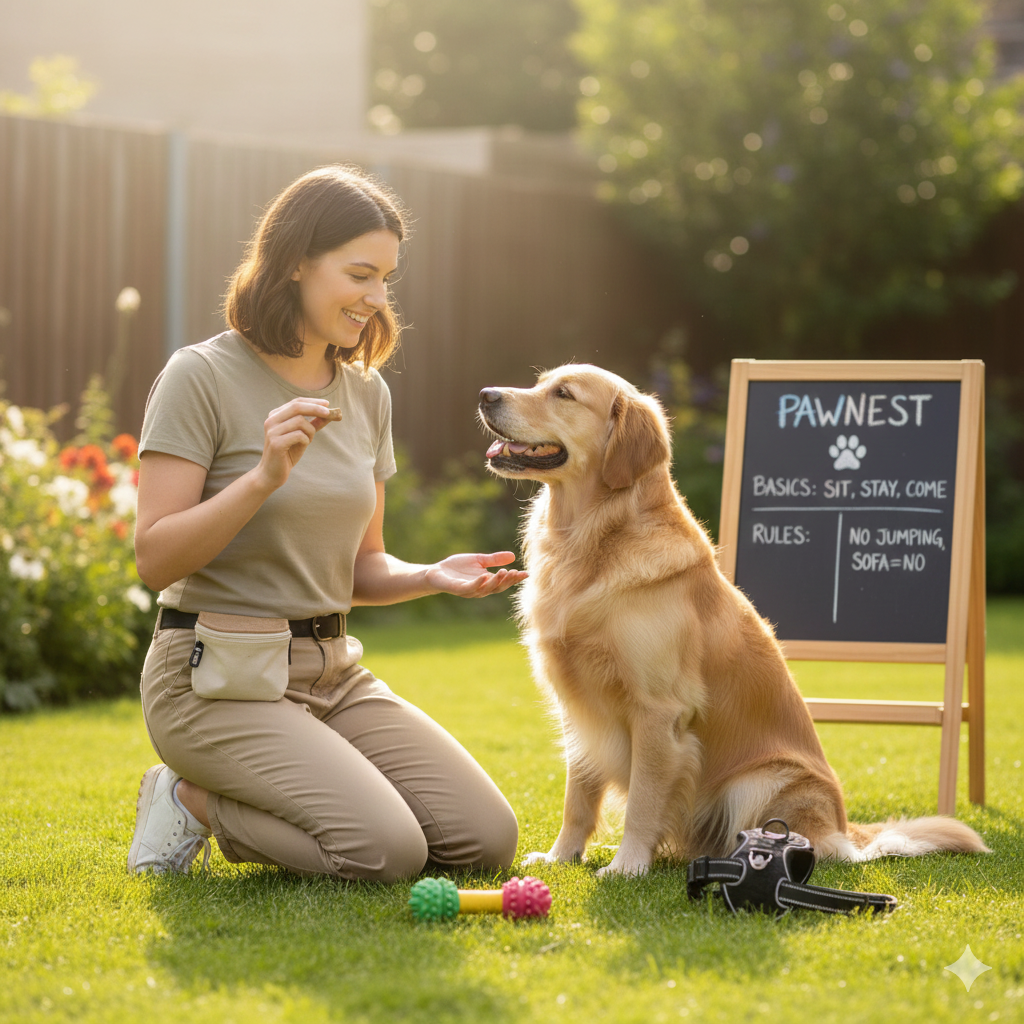
5 Essential Training Tips for First-Time Dog Owners
Training your dog doesn’t have to be complicated. With the right approach and consistent habits, even first-time owners can build a strong foundation of trust, communication, and good behavior. This guide covers the five most important principles to help you get started.
1. Use Positive Reinforcement
Dogs learn best through rewards — not punishment.
Positive reinforcement helps your dog understand what behaviors you want.Great rewards include:
- Small treats
- Praise (“Good job!”)
- Toys
- Extra playtime
Reward immediately so your dog associates the action with the outcome.
2. Keep Training Sessions Short and Consistent
Dogs learn better in brief, focused sessions.
Aim for:- 5–10 minutes,
- 2–3 times per day,
- Always ending on a positive note.
Short sessions prevent frustration for both you and your dog.
3. Start With the Basics
These commands form the foundation of good behavior:
- Sit
- Stay
- Come
- Down
- Leave it
Once your dog masters these, more advanced training becomes much easier.
4. Socialize Early (But Safely)
Early socialization helps prevent fear and anxiety as your dog grows.
Expose your dog—calmly and gradually—to:
- New people
- Other dogs
- Sounds and environments
- Home routines
For puppies, follow your vet’s vaccination schedule before visiting busy areas.
5. Be Patient and Consistent With Rules
Dogs thrive with clear rules and routines.
Examples:
- If the dog isn’t allowed on the sofa, never allow it (even once).
- If jumping is not allowed, reward calm behavior instead.
- Use the same verbal commands and gestures every time.
Consistency helps your dog understand your expectations.
Recommended Training Tools from PawNest
Here are popular products that support your training journey:
- Adjustable Padded Harness – improves control during walks
- Natural Rubber Chew Toy – ideal for redirecting biting behavior
- Training Treat Pouch – keeps rewards accessible
Explore more in our Training category.
Final Thoughts
Successful dog training is built on patience, repetition, and positive reinforcement. Start with the basics, stay consistent, and celebrate small wins — they add up to big progress over time.
If you ever feel stuck, consider working with a certified trainer who can guide you based on your dog’s temperament and needs.
-
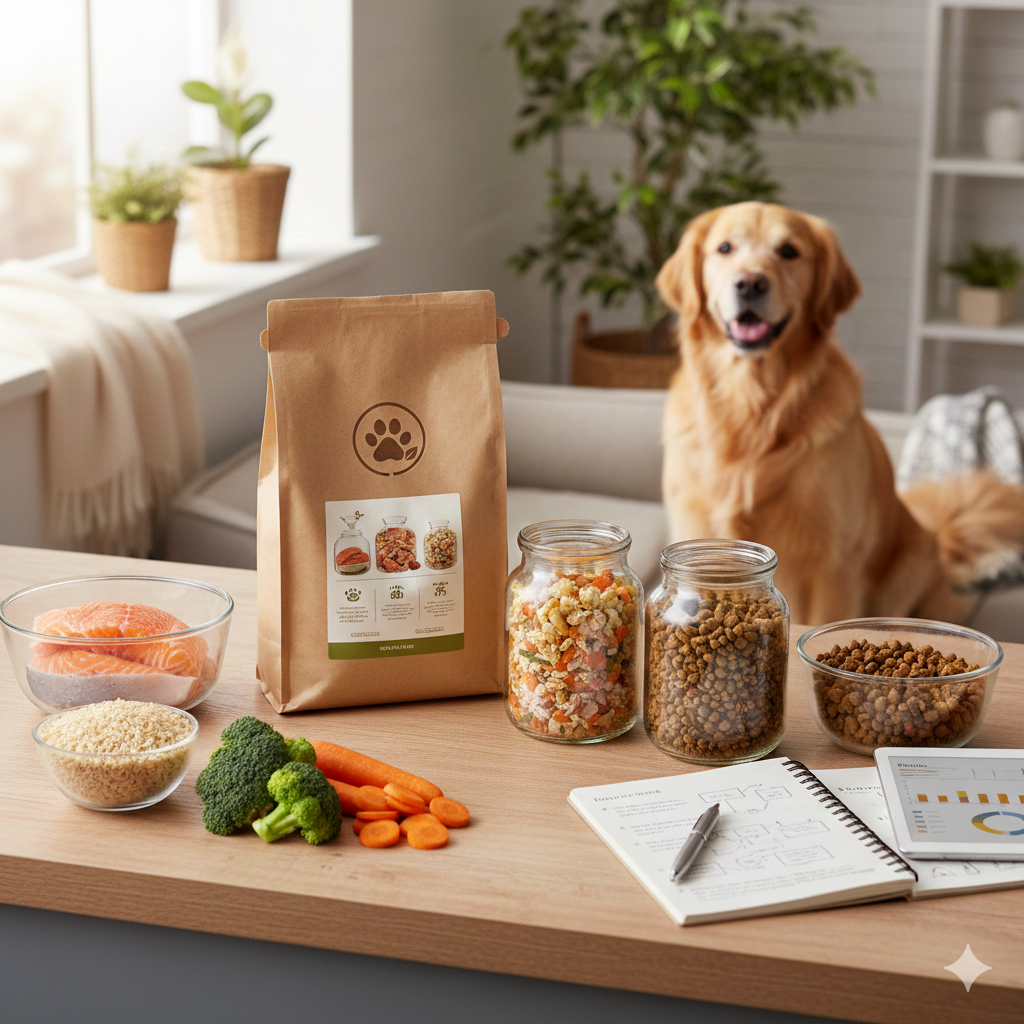
How to Choose the Right Food for Your Dog: A Complete Guide
Choosing the right food for your dog is one of the most important decisions you make as a pet owner. With so many formulas, ingredients, and marketing terms on the shelves, it can be difficult to know what actually matters. This guide breaks down the essentials so you can confidently select the best nutrition for your dog’s age, size, and lifestyle.
Why Your Dog’s Diet Matters
A balanced diet supports your dog’s:
- Energy levels
- Immune system
- Skin and coat health
- Digestive function
- Long-term wellbeing
Poor nutrition may lead to weight issues, allergies, or chronic digestive discomfort. Understanding the basics helps you avoid common mistakes.
Step 1: Consider Age and Life Stage
Dogs have different nutritional needs depending on their age:
Puppies
High-protein, calorie-dense diets for growth and development.
Adult Dogs
Balanced formulas that maintain healthy weight and muscle tone.
Senior Dogs
Lower-calorie diets with added joint support and easily digestible ingredients.
Look for labels indicating “All Life Stages” only if recommended by a veterinarian.
Step 2: Check the Protein Source
The first ingredient should be a high-quality animal protein such as:
- Chicken
- Salmon
- Lamb
- Turkey
Avoid foods listing vague terms like “meat meal” or “animal by-products” without specifying the source.
Step 3: Understand Grain vs. Grain-Free
Grains (like rice or oats) can be healthy and digestible for many dogs. Grain-free diets are useful if your dog has confirmed allergies or digestive sensitivities.
Tip: Not all grain-free foods are healthier. Focus on ingredient quality, not trends.
Step 4: Watch Out for Common Red Flags
Avoid foods containing:
- Artificial colors
- Chemical preservatives (BHA, BHT)
- Excessive fillers
- Sugar or flavor enhancers
High-quality food should feel simple and transparent.
Step 5: Match the Food to Activity Level
Working dogs, active breeds, or dogs that exercise frequently may need higher-calorie formulas. Indoor or low-activity dogs benefit from lighter recipes to prevent weight gain.
Step 6: Transition Food Slowly
When switching brands or formulas:
- Mix 75% old food with 25% new for 2–3 days
- Then 50/50 for 2–3 days
- Then 25/75 for 2–3 days
- Finally switch to 100% new food
A gradual transition prevents stomach upset.
Recommended Products from PawNest
Here are some of our top-selling, vet-approved options:
- Grain-Free Salmon Dog Food: Ideal for sensitive stomachs
- Chicken & Brown Rice Formula: Balanced nutrition for most adult dogs
- Puppy Growth Blend: Designed for development during early life stages
Explore more in our online store.
Final Thoughts
Choosing your dog’s food doesn’t have to be overwhelming. By focusing on protein quality, life stage, ingredient transparency, and activity level, you can provide the foundation for a long, healthy life.
If you’re unsure which formula is right for your dog, consult your veterinarian—they can help identify dietary needs based on breed, age, and health conditions.