Your cart is currently empty!
How to Keep Your Dog’s Coat Healthy: Grooming Basics Every Owner Should Know
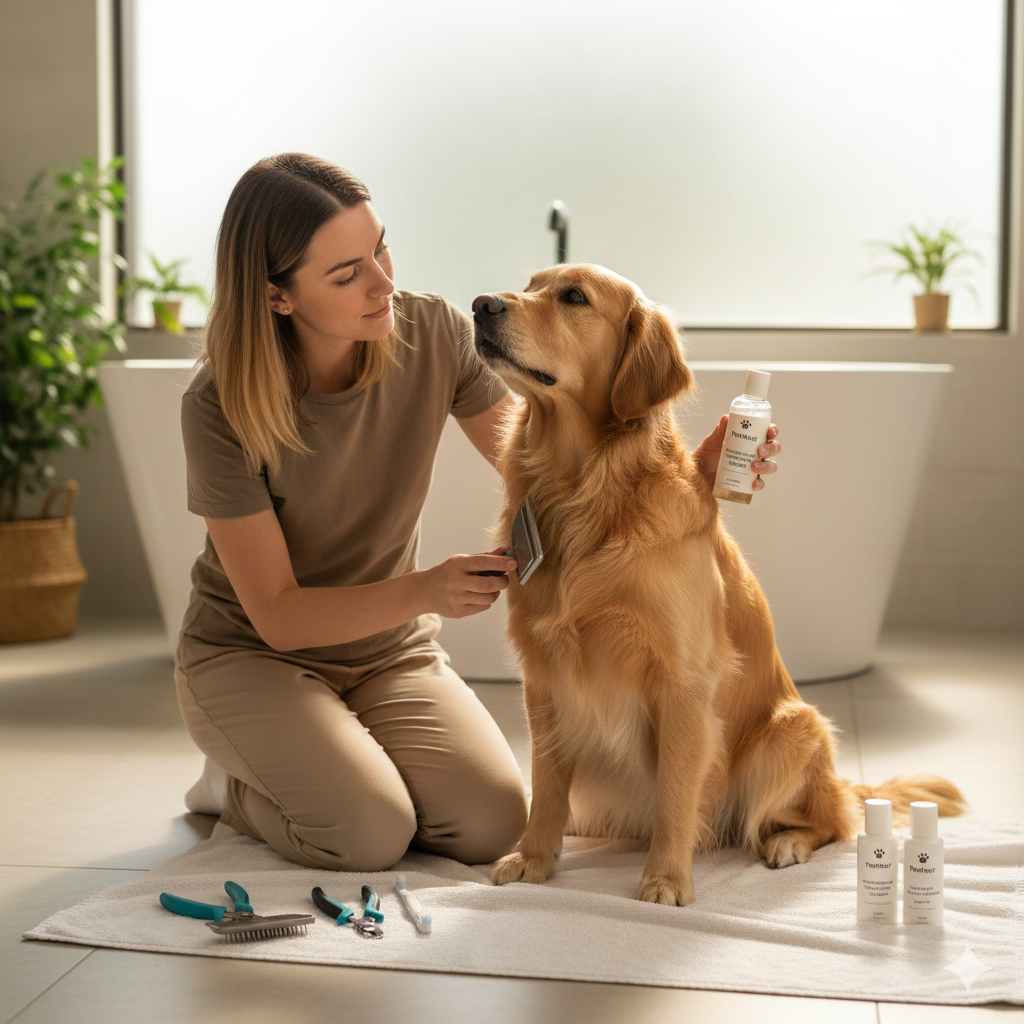
A healthy coat is a visible sign of your dog’s overall wellbeing. Regular grooming not only keeps your dog looking great but also helps prevent skin issues, matting, odors, and unnecessary discomfort. Whether you have a long-haired breed or a short-coated companion, these grooming fundamentals apply to every dog.
/prod
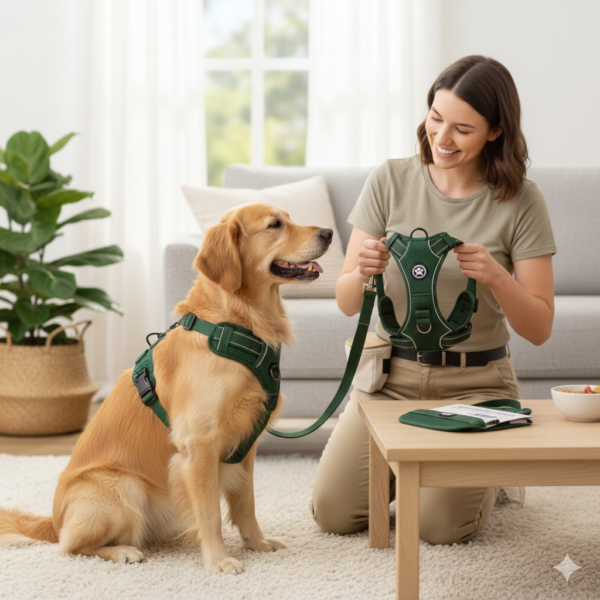
Why Regular Grooming Matters
Grooming is more than brushing and bathing — it supports your dog’s:
- Skin health
- Comfort
- Shedding control
- Hygiene
- Early detection of lumps, parasites, or skin irritation
Consistent grooming also strengthens the bond between you and your dog.
Step 1: Brush According to Coat Type
Different coats need different levels of attention:
Short Coats
Brush once or twice per week with a rubber curry or soft-bristle brush to remove loose hair and stimulate natural oils.
Medium to Long Coats
Brush daily or every other day using a slicker brush or pin brush to prevent tangles and mats.
Double-Coated Dogs
Use an undercoat rake during shedding seasons to prevent buildup and reduce excessive fur around the home.
Step 2: Bathe Only When Necessary
Dogs don’t need frequent baths. Too many can strip natural oils and cause dryness.
General guideline:
Every 4–6 weeks, or as needed based on activity level and coat condition.
Use shampoos designed specifically for dogs, especially formulas labeled:
- Hypoallergenic
- Sensitive skin
- Oatmeal-based
- Tear-free (for puppies)
Avoid human shampoos — they are not pH-balanced for dogs.
Step 3: Don’t Forget the Ears, Teeth, and Nails
Healthy grooming involves more than the coat itself.
Ears
Check weekly for redness, odor, or debris. Clean with a vet-approved ear cleaner.
Teeth
Brush 2–3 times per week with dog toothpaste to prevent tartar buildup and bad breath.
Nails
Trim monthly or when you hear clicking on the floor. Long nails can cause pain or posture issues.
Step 4: Watch for Skin Problems
Be alert for:
- Red patches
- Bald spots
- Flaky skin
- Excessive scratching
- Hot spots
If you notice ongoing issues, your dog may need a change in diet, grooming products, or a visit to the vet.
Recommended Grooming Products
Here are some of our top-rated grooming essentials:
- Hypoallergenic Shampoo – gentle on sensitive skin
- Slicker Brush – ideal for medium and long coats
- Undercoat Rake – perfect for shedding seasons
- Ear Cleaning Solution – supports ear hygiene
You can explore more grooming products in our online store.
Final Thoughts
A consistent grooming routine keeps your dog comfortable, clean, and healthy. With the right tools and techniques, grooming becomes an enjoyable part of your weekly routine — and a great opportunity to bond with your pet.
If your dog’s coat or skin changes suddenly, always consult your veterinarian for a proper diagnosis.
Leave a Reply