Your cart is currently empty!
How to Choose the Right Food for Your Dog: A Complete Guide
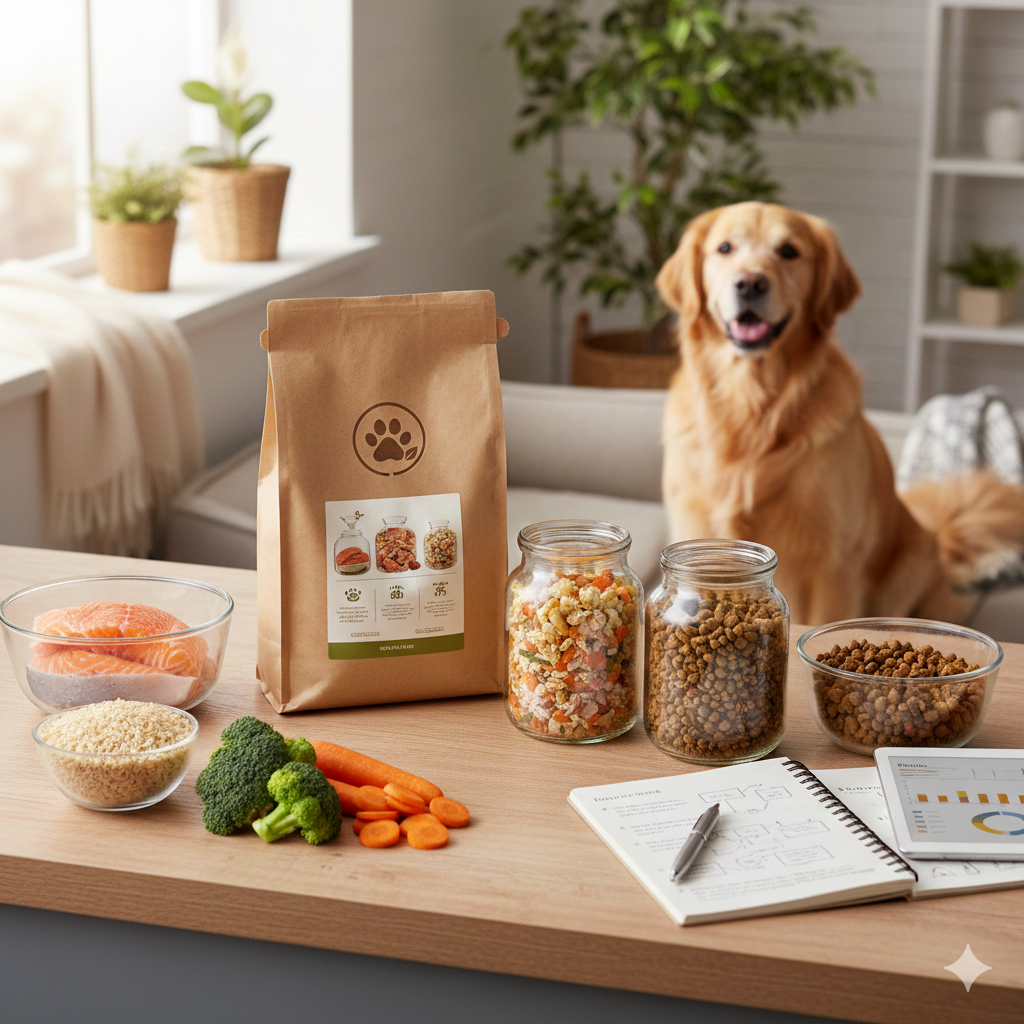
Choosing the right food for your dog is one of the most important decisions you make as a pet owner. With so many formulas, ingredients, and marketing terms on the shelves, it can be difficult to know what actually matters. This guide breaks down the essentials so you can confidently select the best nutrition for your dog’s age, size, and lifestyle.
Why Your Dog’s Diet Matters
A balanced diet supports your dog’s:
- Energy levels
- Immune system
- Skin and coat health
- Digestive function
- Long-term wellbeing
Poor nutrition may lead to weight issues, allergies, or chronic digestive discomfort. Understanding the basics helps you avoid common mistakes.
Step 1: Consider Age and Life Stage
Dogs have different nutritional needs depending on their age:
Puppies
High-protein, calorie-dense diets for growth and development.
Adult Dogs
Balanced formulas that maintain healthy weight and muscle tone.
Senior Dogs
Lower-calorie diets with added joint support and easily digestible ingredients.
Look for labels indicating “All Life Stages” only if recommended by a veterinarian.
Step 2: Check the Protein Source
The first ingredient should be a high-quality animal protein such as:
- Chicken
- Salmon
- Lamb
- Turkey
Avoid foods listing vague terms like “meat meal” or “animal by-products” without specifying the source.
Step 3: Understand Grain vs. Grain-Free
Grains (like rice or oats) can be healthy and digestible for many dogs. Grain-free diets are useful if your dog has confirmed allergies or digestive sensitivities.
Tip: Not all grain-free foods are healthier. Focus on ingredient quality, not trends.
Step 4: Watch Out for Common Red Flags
Avoid foods containing:
- Artificial colors
- Chemical preservatives (BHA, BHT)
- Excessive fillers
- Sugar or flavor enhancers
High-quality food should feel simple and transparent.
Step 5: Match the Food to Activity Level
Working dogs, active breeds, or dogs that exercise frequently may need higher-calorie formulas. Indoor or low-activity dogs benefit from lighter recipes to prevent weight gain.
Step 6: Transition Food Slowly
When switching brands or formulas:
- Mix 75% old food with 25% new for 2–3 days
- Then 50/50 for 2–3 days
- Then 25/75 for 2–3 days
- Finally switch to 100% new food
A gradual transition prevents stomach upset.
Recommended Products from PawNest
Here are some of our top-selling, vet-approved options:
- Grain-Free Salmon Dog Food: Ideal for sensitive stomachs
- Chicken & Brown Rice Formula: Balanced nutrition for most adult dogs
- Puppy Growth Blend: Designed for development during early life stages
Explore more in our online store.
Final Thoughts
Choosing your dog’s food doesn’t have to be overwhelming. By focusing on protein quality, life stage, ingredient transparency, and activity level, you can provide the foundation for a long, healthy life.
If you’re unsure which formula is right for your dog, consult your veterinarian—they can help identify dietary needs based on breed, age, and health conditions.
Leave a Reply